



Did you ever stop to think where the gold you wear actually comes from? Not the showroom story, the real one.
Long before it becomes a necklace, coin, or investment, gold travels a surprisingly complex path most people never ask about.
From miners to refiners to traders to manufacturers, it goes through a lot of people before ending up in stores or digital wallets. Each step raises the price, checks the purity, and changes how gold is bought and sold.
Understanding this gold supply chain makes it feel less mysterious and helps explain why buying gold in a country like India works the way it does.
What is the gold supply chain?
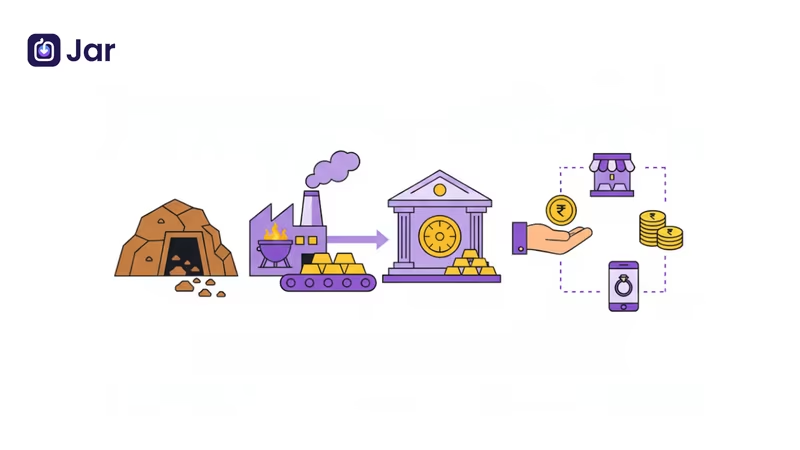
Gold doesn’t jump straight from the ground to a jewellery store. It moves step by step through the gold supply chain:
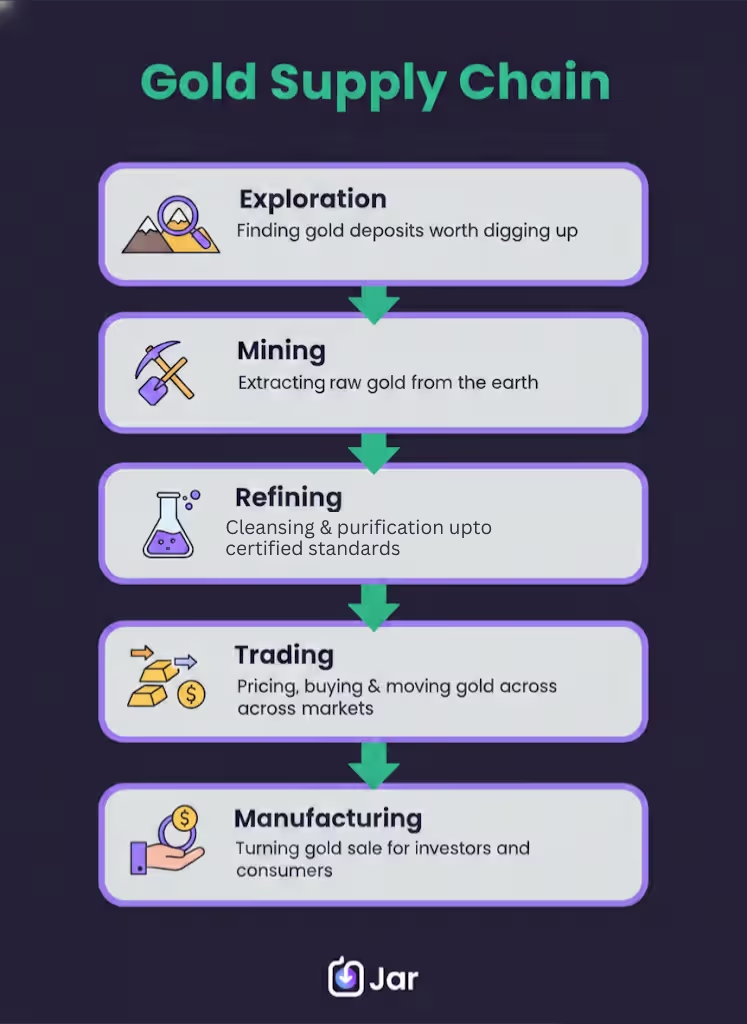
Exploration → Mining → Refining → Trading → Manufacturing → Retail/Investment
At every stage, different players step in, and each one affects cost, purity, availability, and trust.
1. Exploration and mining: Where gold comes from
Gold doesn’t start as jewellery or bars. It starts with exploration. Geologists survey land and drill samples to check if gold deposits are worth mining.
Why this stage matters:
- Mining costs set the base price of gold
- Fewer mines = tighter global supply
- Regulations and approvals can slow production
| Fun fact: India’s total consumer demand for gold rose to 802.8 tonnes in 2024, making it the second-largest gold consumer globally. |
2. Refining and purification: Turning raw gold into tradable gold
Gold isn't ready to be worn or sold after the mining process. At this point in the gold supply chain, it is mixed with other metals and impurities. This is why it needs to be refined before it can be sold.
Refineries melt, chemically treat, and purify raw gold to standard purity levels, usually 99.5% or 99.99%. Additionally, gold is weighed, tested, and formally certified here.
Why this step matters:
- Purity decides whether gold can be traded globally
- Certified gold builds trust across buyers, banks, and investors
- Refinery standards directly affect resale value
3. Trading and distribution: Where gold gets its price
Gold can be traded after it has been refined and certified. This is where the price is set and where the supply moves between markets.
The main deciding authorities at this stage are bullion banks, large dealers, commodity exchanges, central banks, and institutional buyers.
What influences gold prices?
- Global demand and supply
- Interest rates and currency movement
- Market sentiment and speculation
Check out the historical trend of gold rates since 1950.
| Did you know? India imports most of its gold, so international prices, import duties, and currency rates directly affect domestic gold prices. |
4. Manufacturing: Turning gold into products people buy
After trading, gold moves to manufacturing, where it’s turned into jewellery, coins, bars, or other investment products. At this stage, pure gold is alloyed, molded, cut, and finished depending on its final use.
Manufacturing involves jewellery manufacturers, mints, designers, craftsmen, and goldsmiths, with the final product shaped by design complexity, workmanship, making charges, wastage, and purity requirements.
5. Retail and investment: Where gold reaches you
People and businesses can buy gold here in the form of jewelry, coins, bars, or digital files. This is the last link in the gold supply chain.
Gold is priced by retailers based on market rates, purity, taxes, and making charges. Investors, on the other hand, look at how liquid, safe, and easy it is to sell the gold again.
In India, gold is bought as an emotional asset during Diwali, other festivals, and even weddings, and as a financial one (long-term savings, hedging against inflation).
6. Investing in digital gold: a modern endpoint of the supply chain
According to Fortune’s sources, 65% of millennials prefer digital gold investments. Digital gold still follows the same supply chain—mined, refined, certified, and traded—but skips the manufacturing and retail complexities.
Platforms like the Jar App make this access simpler by letting users invest spare change into gold digitally, removing traditional barriers like high ticket sizes and storage worries, and making charges.
Conclusion: Following gold from the ground to your wallet
Gold travels a long path from mining and refining to trading, manufacturing, and finally reaching buyers. Each step in the gold supply chain affects price, purity, and trust, which is why gold costs what it does in India.
Today, you don’t need to buy jewellery or store coins to participate in this system. Digital gold lets you invest in real, certified gold without high costs or storage hassles.
Investment tools like the Jar App make this even simpler by turning small, everyday amounts into gold savings. Same gold supply chain, just a smarter, easier way to save.
FAQs about the gold supply chain
1. Who is the biggest supplier of gold?
China is the world’s largest gold producer, consistently leading global mining output. Most of this gold is used domestically rather than exported.
2. Who supplies gold in India?
India imports most of its gold, primarily from Switzerland and the United Arab Emirates, both major global refining and trading hubs. Domestic mining contributes only a very small share.
3. Which is the most mined country for gold?
China is the most mined country for gold globally. It produces more gold annually than Australia, Russia, or the US.