


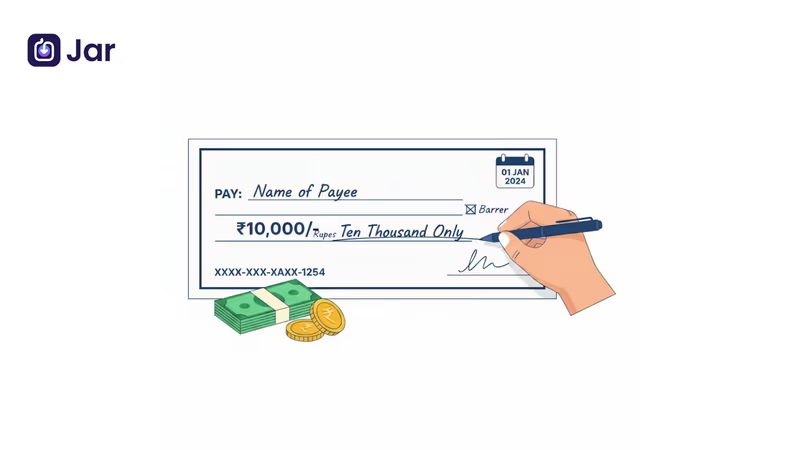


Cheque filling refers to the banking process of filling in crucial information on a cheque. They include the payment date, the payee's name, the payable amount in figures and words and your signature.
Filling in a cheque accurately is necessary to ensure timely processing and fraud prevention.
Example of Cheque Filling for Self
The process is simple and easy to follow.
Step 1: Write the date using the format- DD/MM/YYYY
Step 2: Write ‘Self’ or mention your name in the section 'Pay to the order of.'
Step 3: Mention the amount, for example, ‘8,000.’
Step 4: Write the payable amount in words, for instance, ‘Rupees Eight Thousand Only.’
Step 5: Sign the cheque at the place provided at the bottom right corner.
Process of Cheque Filling for Another Person
The process is almost the same. You only need to write down the payee’s name accurately in the section ‘Pay to the order of.’
What to Remember While Writing a Cheque?
There are some best cheque-writing practices you need to remember during cheque filing, including:
- Always double-check all data that you have mentioned.
- Never sign a blank cheque to prevent unauthorised activities.
- Do not leave any section of a cheque incomplete.
- Keep a record of all issued cheques.
Common Mistakes to Avoid During Cheque Filling
The cheque filing process requires undivided attention. Otherwise, there are potential chances of making mistakes. The most common mistakes to avoid are:
- Writing the wrong date
- Making differences in payable amount in figures and words
- Making spelling mistakes while writing the payee’s name
- Finding a mismatch in the signature
Proper filling not only avoids hassles of cancellations but also incurring hefty fees for cheque bounce.
It comes with a unique reference number that enables you to track your transactions easily. You can utilise this as evidence of payment if you face any dispute in the future.